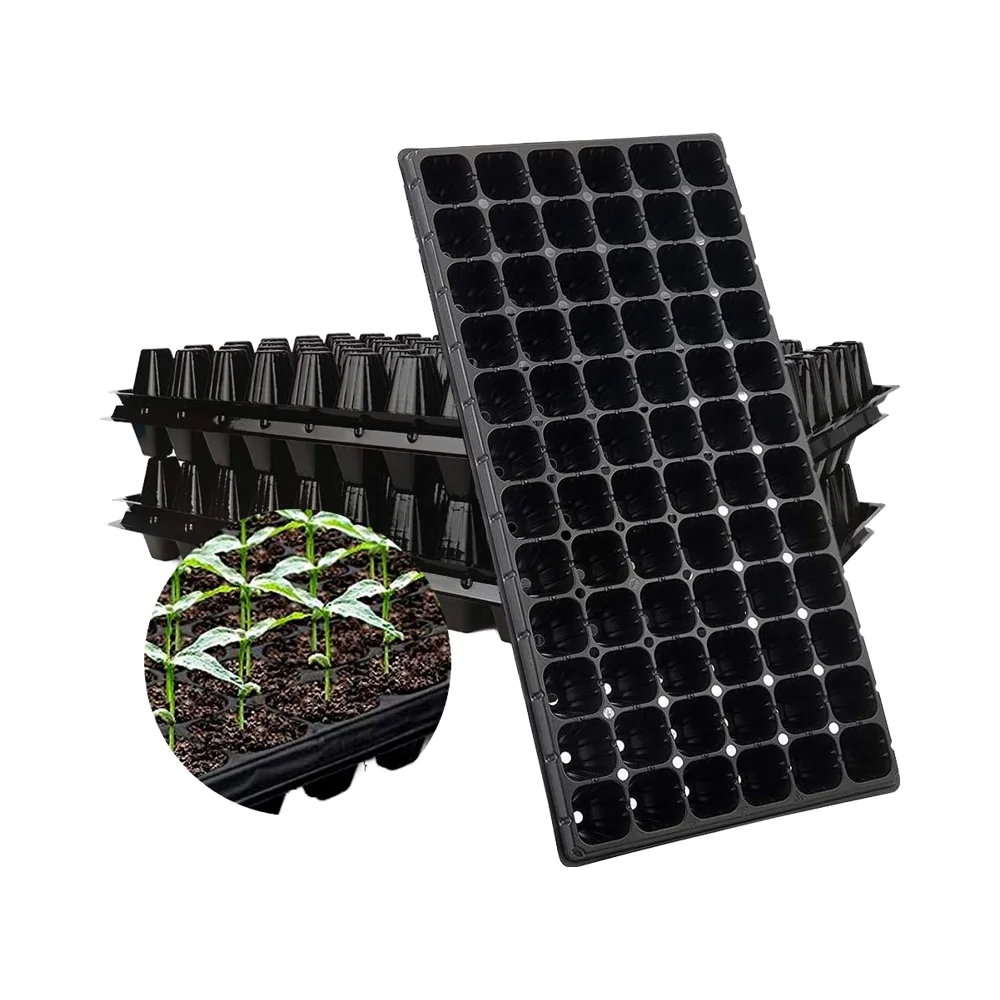
nursery seedling trays
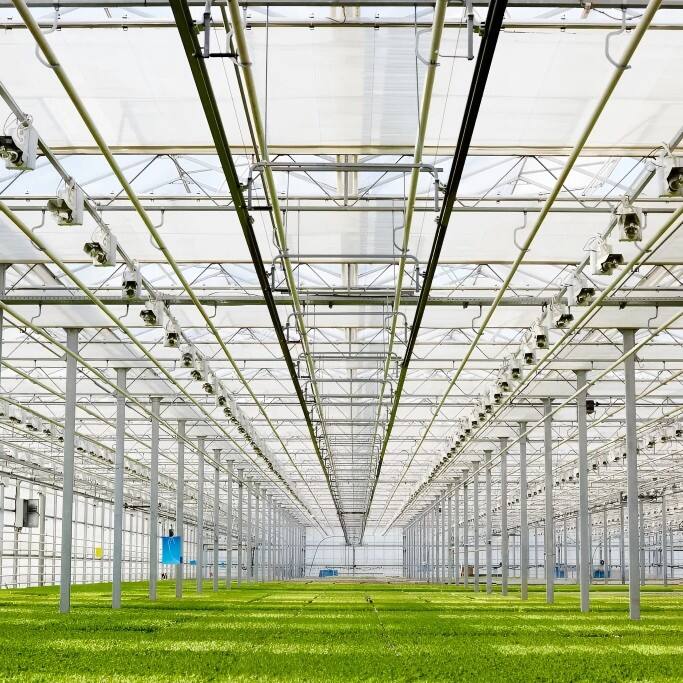
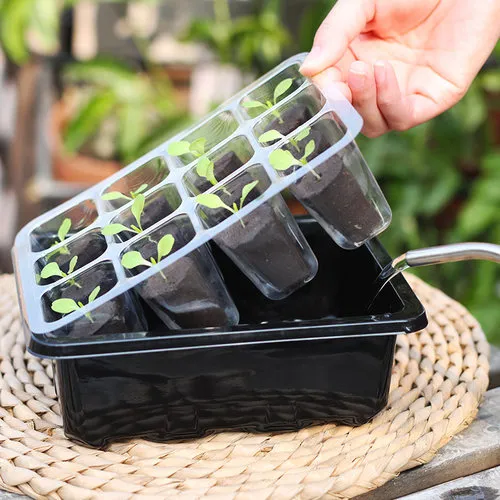
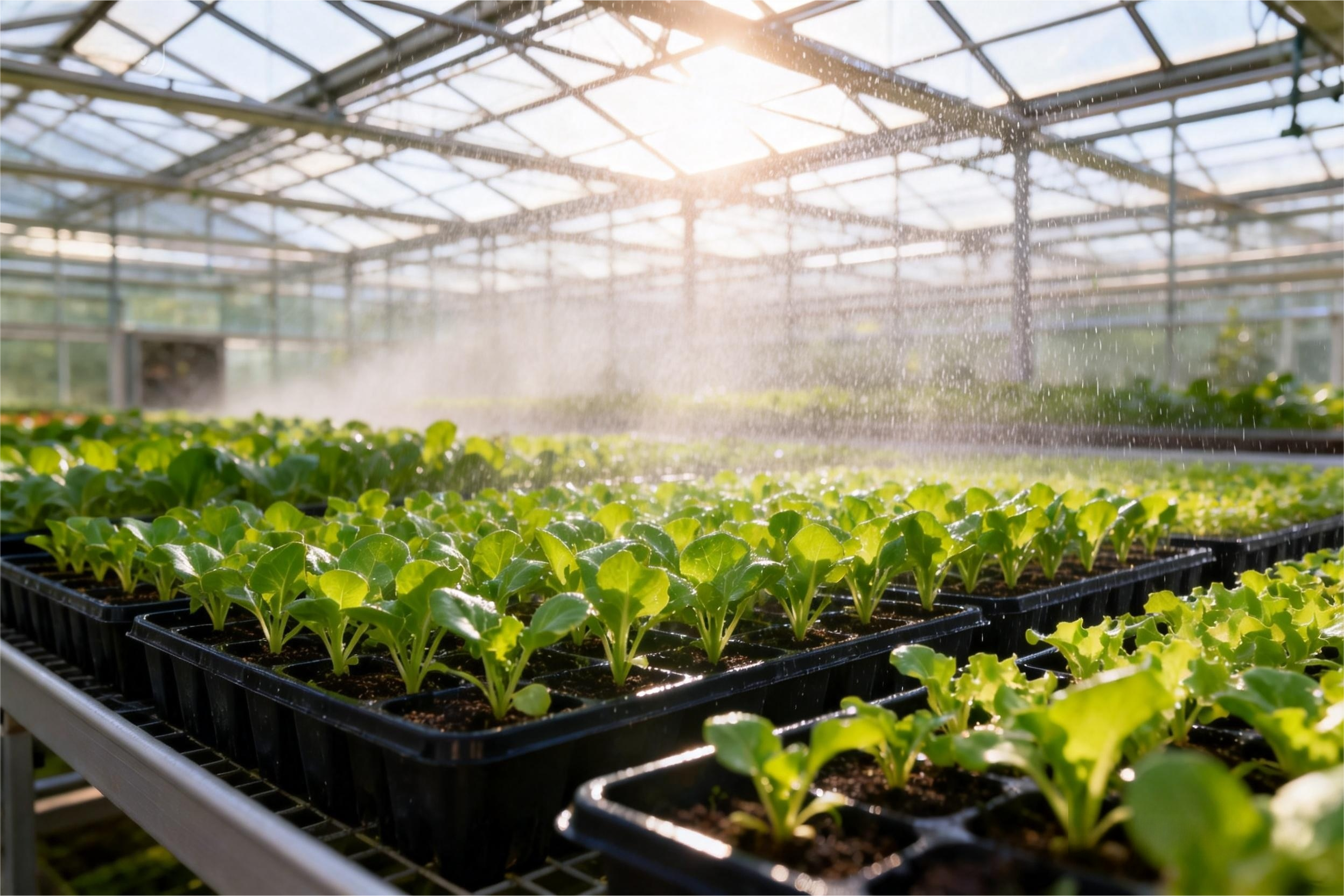
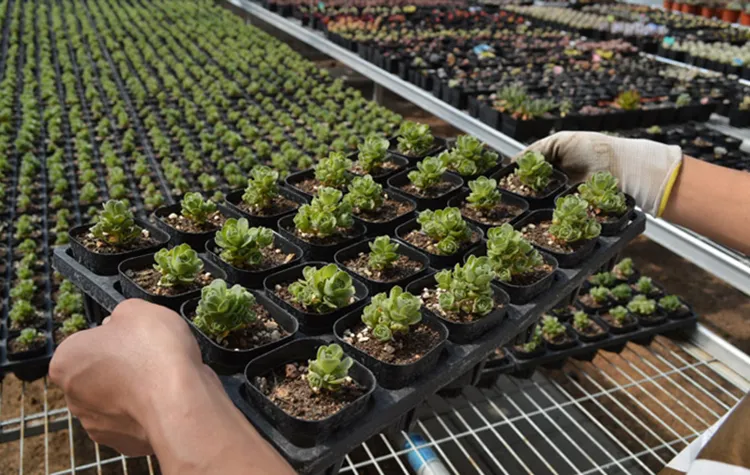
Nursery seedling trays represent an essential tool for modern horticultural practices, serving as the foundation for successful plant propagation and cultivation. These specialized containers are meticulously designed to provide optimal growing conditions for young plants during their most vulnerable developmental stages. The primary function of nursery seedling trays revolves around creating controlled environments that promote healthy root development, efficient water management, and uniform plant growth. Each tray consists of multiple individual cells or compartments, allowing growers to cultivate numerous seedlings simultaneously while maintaining proper spacing and organization. The technological features of modern nursery seedling trays incorporate advanced materials science and ergonomic design principles. Most trays are manufactured using high-grade polystyrene or biodegradable materials that offer excellent durability, chemical resistance, and thermal stability. The cell configuration varies significantly, with options ranging from 32 to 288 cells per tray, accommodating different plant species and growth requirements. Bottom drainage holes ensure proper water flow and prevent root rot, while the tapered cell design facilitates easy transplanting without disturbing delicate root systems. Many nursery seedling trays feature reinforced construction with ribbed bottoms and strengthened sidewalls to withstand repeated use and handling. The applications of nursery seedling trays span across commercial greenhouse operations, research facilities, home gardening, and large-scale agricultural production. Professional growers utilize these trays for vegetable starts, ornamental plants, herbs, and tree saplings. The standardized dimensions allow for efficient use of greenhouse space and compatibility with automated seeding and transplanting equipment. Temperature-resistant properties enable use in various climate conditions, while the lightweight design reduces transportation costs and manual labor requirements. These trays support sustainable growing practices by enabling precise resource management and reducing waste compared to traditional propagation methods.
 ×
×

 EN
EN