Vertical Greenhouse Technology: Revolutionary Indoor Farming Solutions for Sustainable Agriculture

Get a Free Quote

Our representative will contact you soon.
Email
Name
Company Name
Message
0/1000

verticle greenhouse

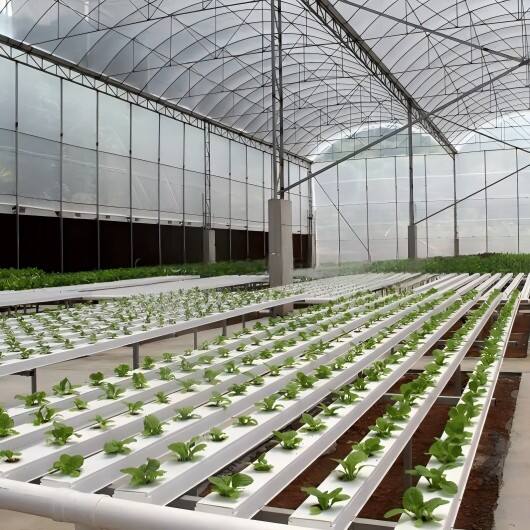
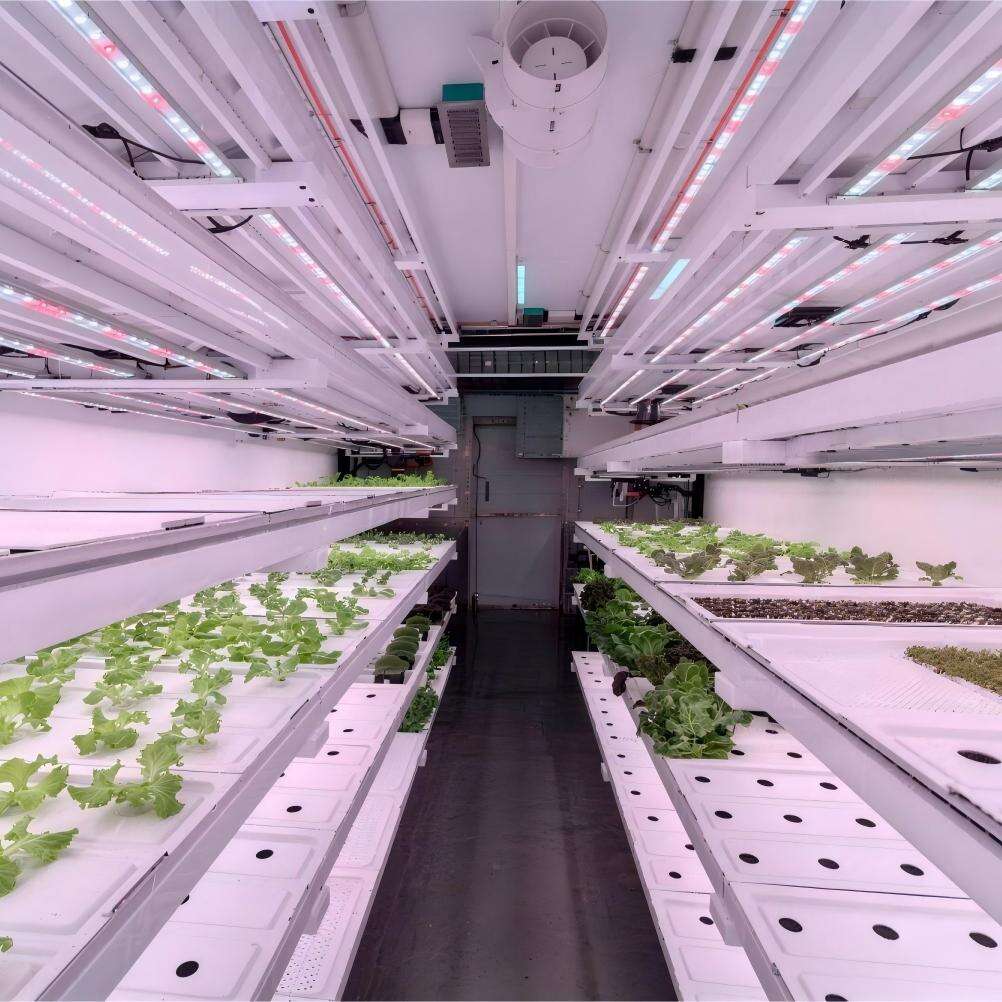
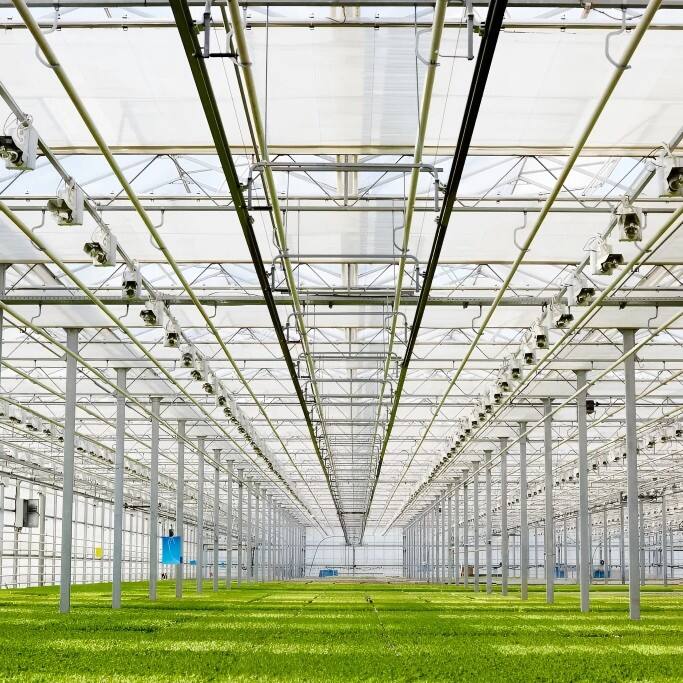
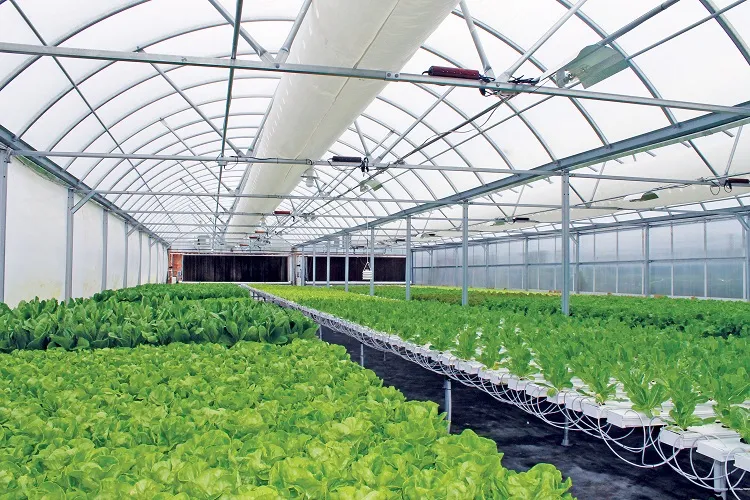
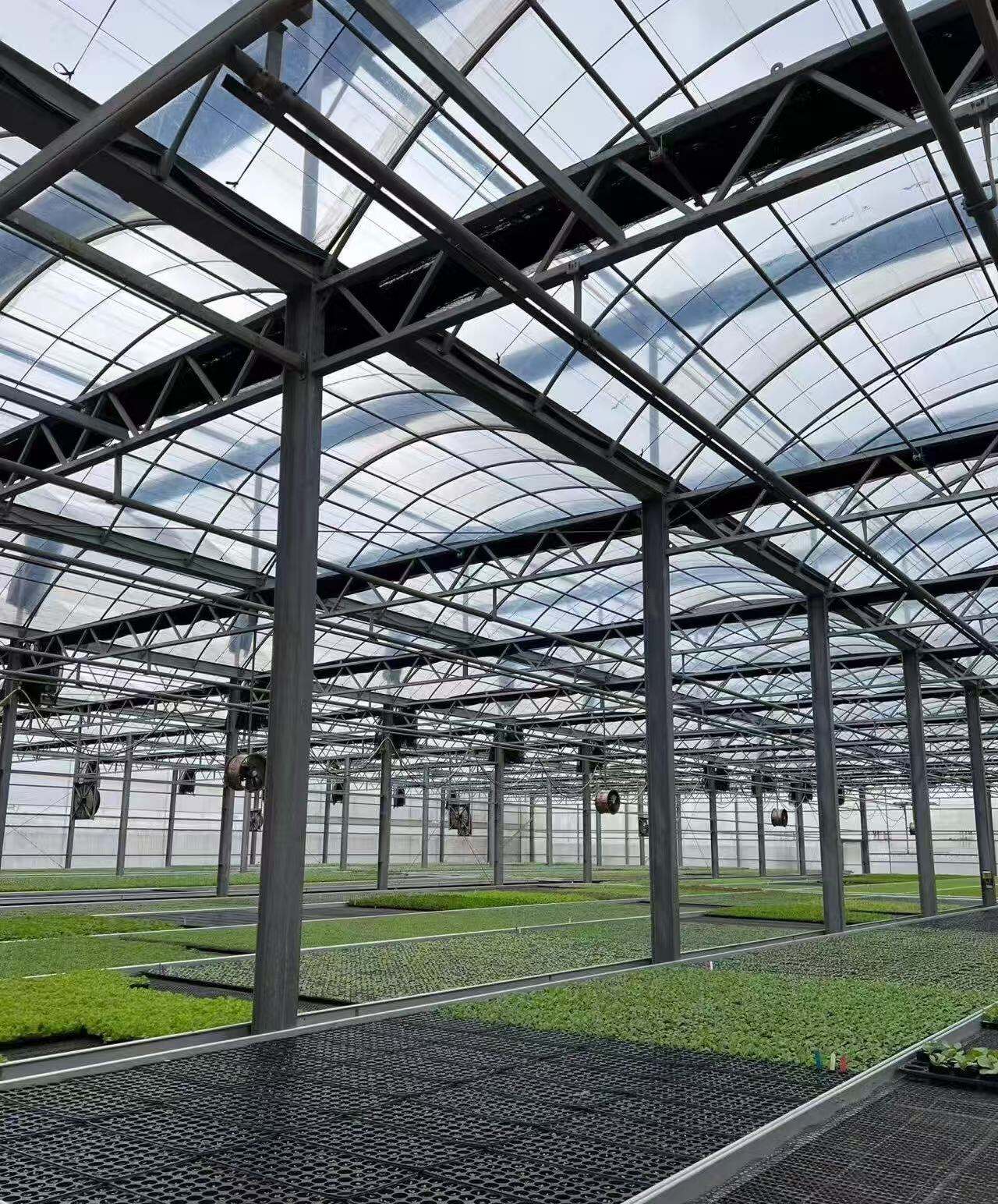
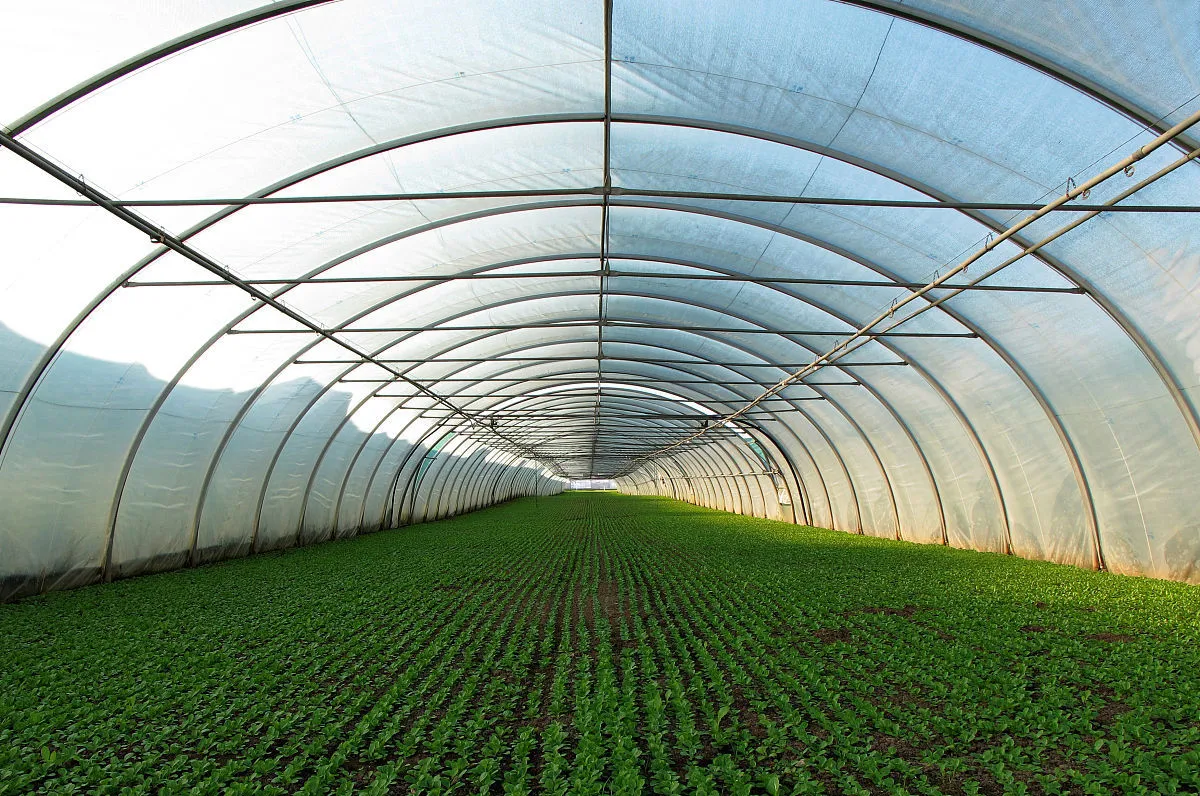
A vertical greenhouse represents a revolutionary approach to modern agriculture, transforming traditional farming methods through innovative space-efficient design. This cutting-edge agricultural system utilizes vertical growing towers and multi-level cultivation platforms to maximize crop production within minimal floor space. The vertical greenhouse operates on advanced hydroponic and aeroponic principles, delivering precise nutrient solutions directly to plant roots while maintaining optimal environmental conditions throughout multiple growing levels. The structure incorporates sophisticated climate control systems that regulate temperature, humidity, lighting, and air circulation across all vertical growing zones. LED lighting arrays provide customized light spectra tailored to specific crop requirements, ensuring consistent photosynthesis regardless of external weather conditions. Automated irrigation networks distribute water and nutrients efficiently through gravity-fed or pressurized systems, reducing waste and ensuring uniform plant growth. The vertical greenhouse design typically features modular construction, allowing farmers to expand operations incrementally based on market demands and available resources. Integrated monitoring systems track plant health, environmental parameters, and resource consumption in real-time, enabling data-driven decision making for optimal crop management. These facilities excel at producing leafy greens, herbs, strawberries, and various vegetables year-round, regardless of geographical location or seasonal limitations. The controlled environment eliminates pesticide dependency while significantly reducing water consumption compared to conventional farming methods. Modern vertical greenhouse installations often incorporate renewable energy sources such as solar panels and wind turbines to minimize operational costs and environmental impact. Smart automation reduces labor requirements while maintaining consistent production quality, making this technology accessible to both commercial growers and urban farming enthusiasts seeking sustainable food production solutions.

New Product Releases

The vertical greenhouse delivers exceptional space efficiency that transforms agricultural productivity by growing more crops in significantly less area than traditional farming methods. This innovative system produces up to 390 times more food per square foot compared to conventional outdoor agriculture, making it ideal for urban environments where land costs remain prohibitively expensive. The controlled environment eliminates weather-related crop losses, ensuring consistent harvests throughout the year regardless of storms, droughts, or temperature fluctuations that devastate outdoor farms. Water conservation becomes dramatically improved as the vertical greenhouse uses 95 percent less water than traditional farming through precise hydroponic delivery systems that recycle and reuse nutrients continuously. The elimination of soil-borne diseases and pests reduces crop losses while eliminating the need for harmful pesticides and herbicides, resulting in cleaner, healthier produce for consumers. Year-round production capabilities enable farmers to harvest crops multiple times annually, increasing revenue potential while meeting consistent market demands for fresh vegetables and herbs. The reduced transportation costs and carbon footprint appeal to environmentally conscious consumers who prefer locally grown produce, creating premium pricing opportunities for vertical greenhouse operators. Labor efficiency improves substantially as workers can tend crops at comfortable standing heights without bending or kneeling, reducing physical strain and increasing productivity throughout harvesting operations. Climate control systems maintain optimal growing conditions regardless of external temperatures, extending growing seasons indefinitely and enabling cultivation in previously unsuitable locations such as deserts or arctic regions. The modular design allows businesses to start small and expand gradually, reducing initial capital investments while scaling operations based on market success and available financing. Energy efficiency improvements through LED lighting and automated systems reduce operational costs over time, while the ability to grow high-value crops like microgreens and specialty herbs commands premium market prices that justify the technology investment.

Tips And Tricks

Hydroponic Vertical Farming_ Empowering Legal Cultivation Markets Globally

09

Feb

Hydroponic Vertical Farming_ Empowering Legal Cultivation Markets Globally

View More
Planting Containers: Unlocking New Possibilities for Smart Agriculture, Creating Efficient and Movable Planting Spaces

11

Mar

Planting Containers: Unlocking New Possibilities for Smart Agriculture, Creating Efficient and Movable Planting Spaces

View More
Vertical Farming Machines, Greenhouse Cultivation & Hydroponics: Reshaping the Future of Agriculture

09

Feb

Vertical Farming Machines, Greenhouse Cultivation & Hydroponics: Reshaping the Future of Agriculture

View More

Get a Free Quote

Our representative will contact you soon.
Email
Name
Company Name
Message
0/1000

verticle greenhouse

Revolutionary Space Optimization Technology

Revolutionary Space Optimization Technology

The vertical greenhouse transforms agricultural space utilization through innovative multi-tier growing systems that maximize crop production within minimal footprint requirements. This groundbreaking approach stacks growing levels vertically, creating multiple cultivation zones within a single structure that would traditionally accommodate only one growing plane. The system incorporates precisely engineered growing towers and shelving units that optimize light penetration, air circulation, and worker accessibility across all levels. Each vertical layer operates independently with customized environmental controls, allowing simultaneous cultivation of different crop varieties with specific growing requirements. The space optimization extends beyond simple vertical stacking by incorporating rotating growing systems and moveable platforms that increase planting density while maintaining optimal plant spacing for healthy development. This technology proves especially valuable in urban environments where real estate costs make traditional farming economically unfeasible, enabling food production in warehouses, rooftops, and repurposed buildings. The vertical design reduces the agricultural land footprint by up to 99 percent while producing equivalent or superior yields, addressing global food security challenges in densely populated areas. The system accommodates rapid crop rotation cycles, allowing farmers to plant, grow, and harvest continuously throughout the year without fallow periods that reduce traditional farm productivity. The modular construction enables easy expansion and reconfiguration based on changing market demands or crop preferences, providing flexibility that fixed outdoor farming cannot match. Advanced spacing algorithms ensure each plant receives adequate resources while maximizing overall system productivity, creating an optimal balance between individual plant health and collective yield performance. This space optimization technology makes the vertical greenhouse an ideal solution for businesses seeking to enter agriculture with limited land availability or those looking to increase production without expanding their physical footprint.
Advanced Climate Control and Automation Systems

Advanced Climate Control and Automation Systems

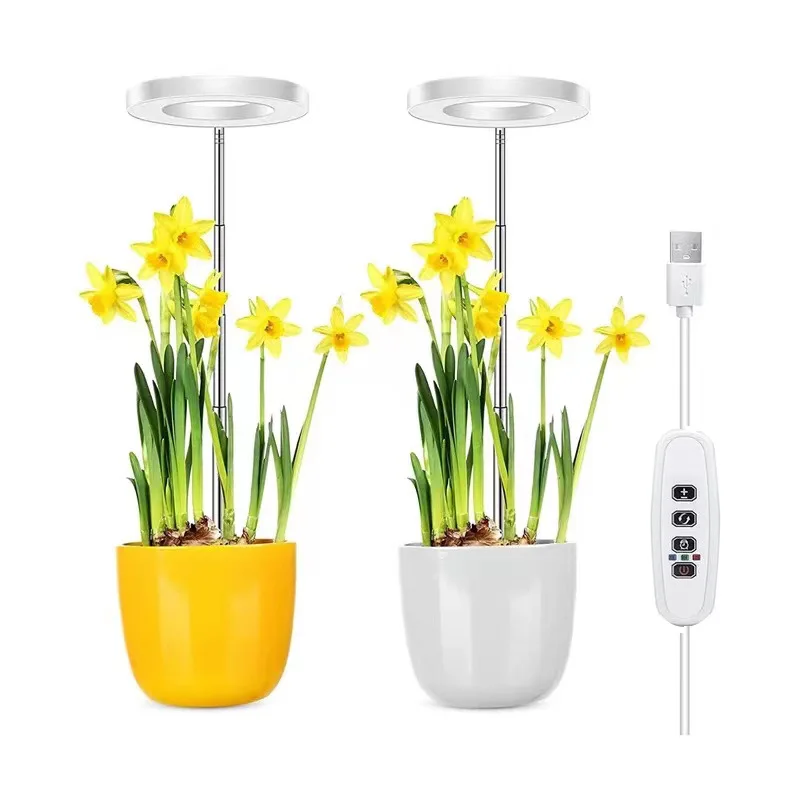
The vertical greenhouse incorporates sophisticated environmental management technology that maintains optimal growing conditions through precise automation and real-time monitoring capabilities. This comprehensive system includes temperature regulation, humidity control, air circulation, and lighting management that operates continuously to create perfect growing environments for each crop variety. The automated climate control responds instantly to environmental changes, adjusting conditions within minutes to maintain optimal parameters that maximize plant growth and minimize stress factors. Integrated sensors throughout the facility monitor air quality, temperature gradients, moisture levels, and light intensity, feeding data to central control systems that make thousands of micro-adjustments daily. The lighting system utilizes full-spectrum LED arrays programmed to deliver specific wavelengths optimized for different growth stages, from seedling development through flowering and fruiting phases. This technology eliminates dependence on natural sunlight, enabling consistent production regardless of weather conditions, seasonal changes, or geographical location limitations. The irrigation automation delivers precise nutrient solutions directly to plant roots through sophisticated dosing systems that adjust feeding schedules based on plant development stages and environmental conditions. Climate control extends to carbon dioxide management, with systems that optimize CO2 levels during photosynthesis periods while maintaining proper ventilation for plant respiration cycles. The automation reduces labor requirements by handling routine tasks such as watering, nutrient delivery, and environmental adjustments, allowing workers to focus on higher-value activities like harvesting and plant care. Remote monitoring capabilities enable farm managers to supervise operations from any location, receiving alerts about system performance and making adjustments through smartphone applications or web interfaces. The data collection and analysis capabilities provide insights into crop performance, resource utilization, and optimization opportunities that continuously improve production efficiency. This advanced automation ensures consistent crop quality while reducing human error and operational costs, making the vertical greenhouse a reliable and profitable agricultural investment.
Sustainable Resource Management and Environmental Benefits

Sustainable Resource Management and Environmental Benefits

The vertical greenhouse excels in sustainable resource utilization through innovative systems that dramatically reduce water consumption, eliminate chemical inputs, and minimize environmental impact compared to traditional farming methods. The closed-loop hydroponic systems recycle water and nutrients continuously, achieving up to 95 percent water savings while delivering precise nutrition directly to plant roots without waste or runoff. This water efficiency becomes critically important as global freshwater resources face increasing pressure from population growth and climate change, making the vertical greenhouse an essential technology for sustainable food production. The elimination of soil cultivation prevents agricultural runoff that contaminates waterways with fertilizers and pesticides, while the controlled environment eliminates the need for harmful chemical treatments that damage ecosystems and human health. The system produces zero agricultural waste through complete nutrient recycling and composting programs that convert plant residues into valuable soil amendments or energy sources. Energy efficiency improvements through LED lighting technology and smart automation systems reduce power consumption by up to 40 percent compared to traditional greenhouse operations, while integration with renewable energy sources further minimizes carbon footprint. The local production capabilities reduce transportation distances and associated emissions, delivering fresh produce directly to urban markets within hours of harvest rather than days or weeks required for distant farm products. The vertical greenhouse eliminates weather-related crop losses that force farmers to over-plant and waste resources, ensuring efficient resource utilization through predictable production cycles. The system supports circular economy principles by converting organic waste into compost, capturing and reusing carbon dioxide for enhanced plant growth, and recycling all water and nutrients within the facility. The reduced land use requirements preserve natural ecosystems and biodiversity while producing equivalent food quantities, addressing deforestation and habitat destruction associated with agricultural expansion. These environmental benefits create value for environmentally conscious consumers willing to pay premium prices for sustainably produced food, while regulatory compliance becomes simplified through elimination of chemical inputs and environmental contamination risks.

Get a Free Quote

Our representative will contact you soon.
Email
Name
Company Name
Message
0/1000